How to Care for Gemstone Jewellery
Most gemstone damage is not caused by wear. It is caused by cleaning - specifically by cleaning every stone the same way, when gemstones differ enormously in hardness, in porosity, and in how they have been treated.
The single most useful rule: know the stone before you clean the piece.
Know where your stone sits on the hardness scale
The Mohs scale runs from 1 to 10, and it is not linear - the difference between 9 and 10 is far larger than the difference between 5 and 6. For care purposes, three bands matter:
- 9-10 - diamond, ruby, sapphire. Robust. Tolerate ultrasonic and steam cleaning, warm soapy water, and daily wear.
- 7-8 - emerald, aquamarine, topaz, tourmaline, amethyst, quartz. Reasonably hard but can chip at the edges. Warm soapy water and a soft brush only.
- Under 7 - opal, pearl, turquoise, tanzanite, moonstone, coral. Soft, porous, or cleavable. No machines, no soaking, no ultrasonic.
Which stones must never go in an ultrasonic cleaner
An ultrasonic cleaner works by creating microscopic bubbles that implode against the stone. That is excellent at lifting dirt out of a diamond setting and destructive to almost everything else on this list:
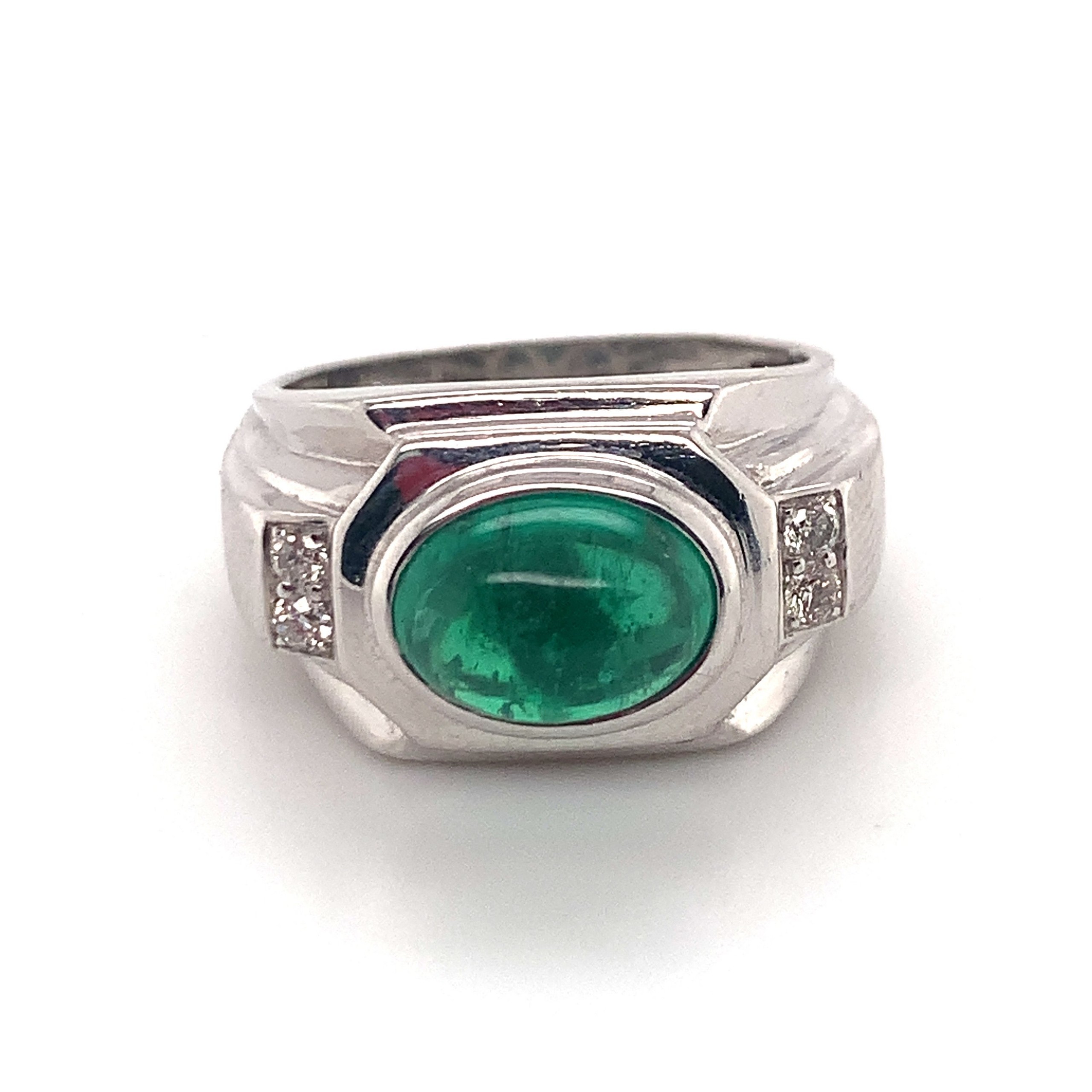
- Emerald - most emeralds on the market are fracture-filled. Ultrasonic vibration can drive the filler out and leave the stone looking worse than before.
- Opal - contains 5-10% water. Heat and vibration can cause crazing: a network of fine cracks across the surface that cannot be reversed.
- Pearl - an organic material, and soft. Machines strip the nacre.
- Tanzanite - has one direction of easy cleavage. Vibration can open it.
- Turquoise, lapis, malachite - porous. Absorb whatever liquid they meet.
- Anything with a glued or foil-backed setting - the solvent loosens the bond.
Cleaning, by stone
Sapphire, ruby, diamond
Warm water with a drop of mild washing-up liquid, a soft toothbrush, rinse, pat dry with a lint-free cloth. An ultrasonic cleaner is fine if the piece has no other softer stones set in it - check the halo or the accent stones first.
Emerald, aquamarine, amethyst, citrine, tourmaline
The same method, but no soaking and no machine. Brush briefly, rinse quickly, dry immediately. Never leave an emerald to sit in water.
Opal, pearl, turquoise, tanzanite
Wipe with a soft, slightly damp cloth and dry at once. Nothing else. Store away from heat and direct sun, and never in a sealed plastic bag - pearls and opals both need some ambient humidity.
Storage
The other common cause of damage is jewellery rubbing against jewellery. A 9-hardness stone will scratch a 7-hardness stone without any visible effort, and you will only notice the marks months later.
- Store each piece separately - a soft pouch or a compartmented tray.
- Keep pearls and opals away from heating vents and radiators.
- Fasten chains before storing so they cannot tangle.
- Never stack rings in a bowl. That is the single most reliable way to dull a soft stone.
When to take a piece off
The four moments that account for most damage:
- Housework and gardening - impact, and cleaning chemicals.
- Swimming - chlorine dulls and, in porous stones, stains.
- Exercise and sport - impact on a setting and on the stone's edges.
- Applying perfume, hairspray or cosmetics - apply first, then put the jewellery on, not the other way round.
A note on settings
Most stone loss is a setting problem, not a stone problem. Have prongs checked once a year if the piece is worn often: a lifted prong is cheap to tighten and expensive to replace a stone for.
Browse rings and pendants, or read the gemstone education guide for the four C's behind each grade.
Related posts
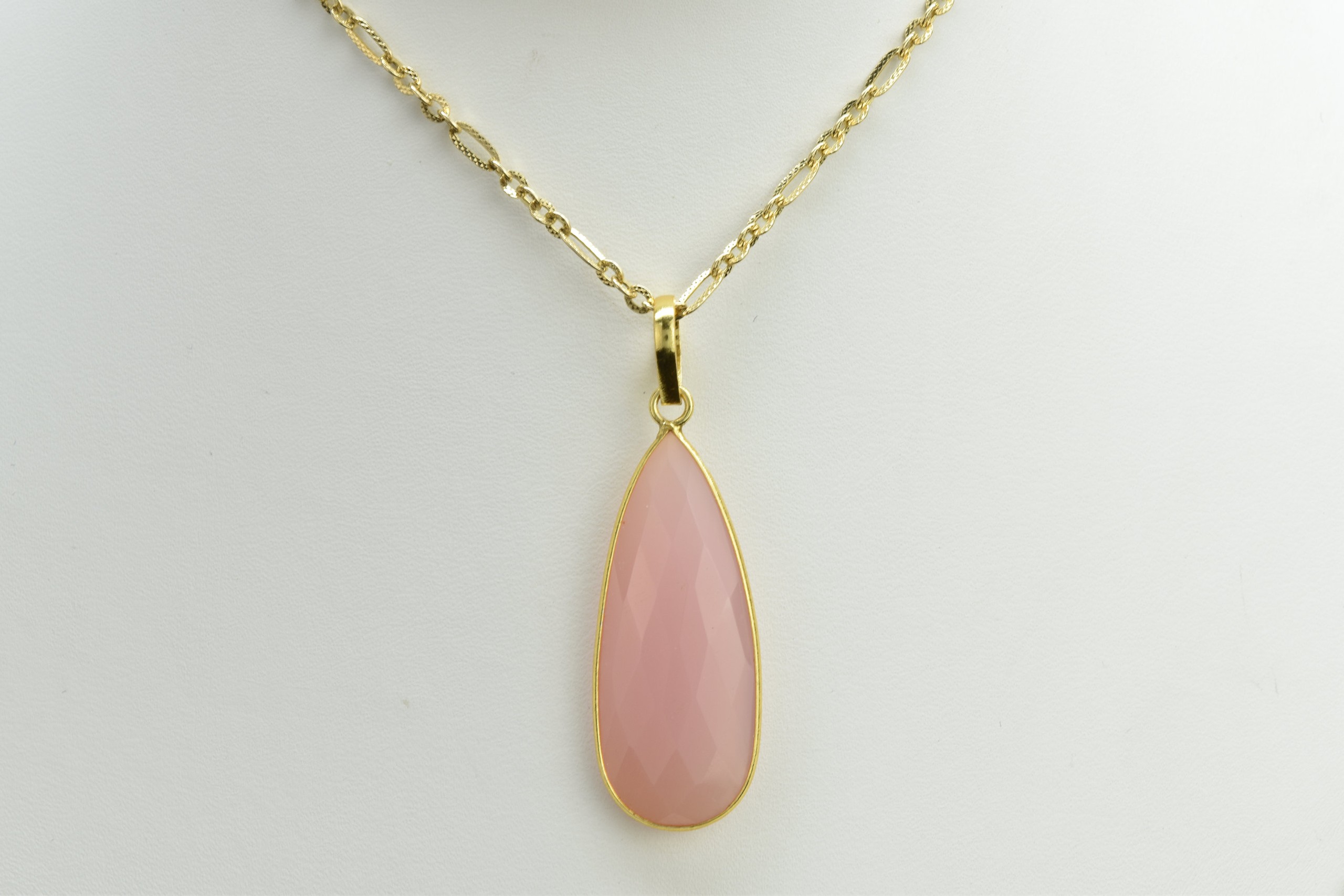
Loose Gemstones or Finished Jewellery: Which Should You Buy?
A loose stone lets you choose the gem and the setting independently. A finished piece is usually better value. Here is how to decide which you want.
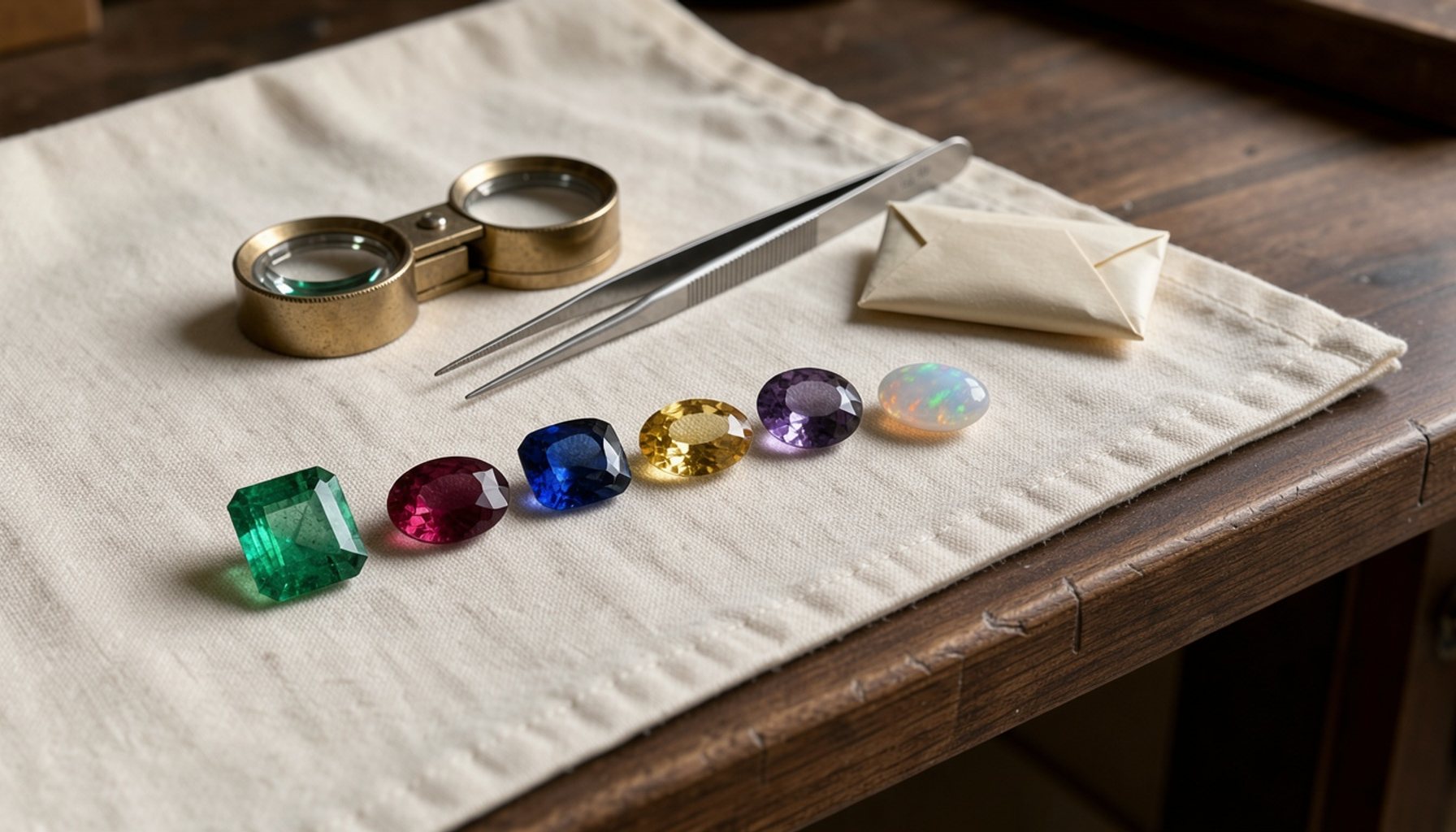
The 4 Cs of Gemstones: Colour, Cut, Clarity and Carat Weight
Colour, cut, clarity and carat weight decide what a gemstone is worth. What each one means, how the trade judges it, and what to check before you buy.
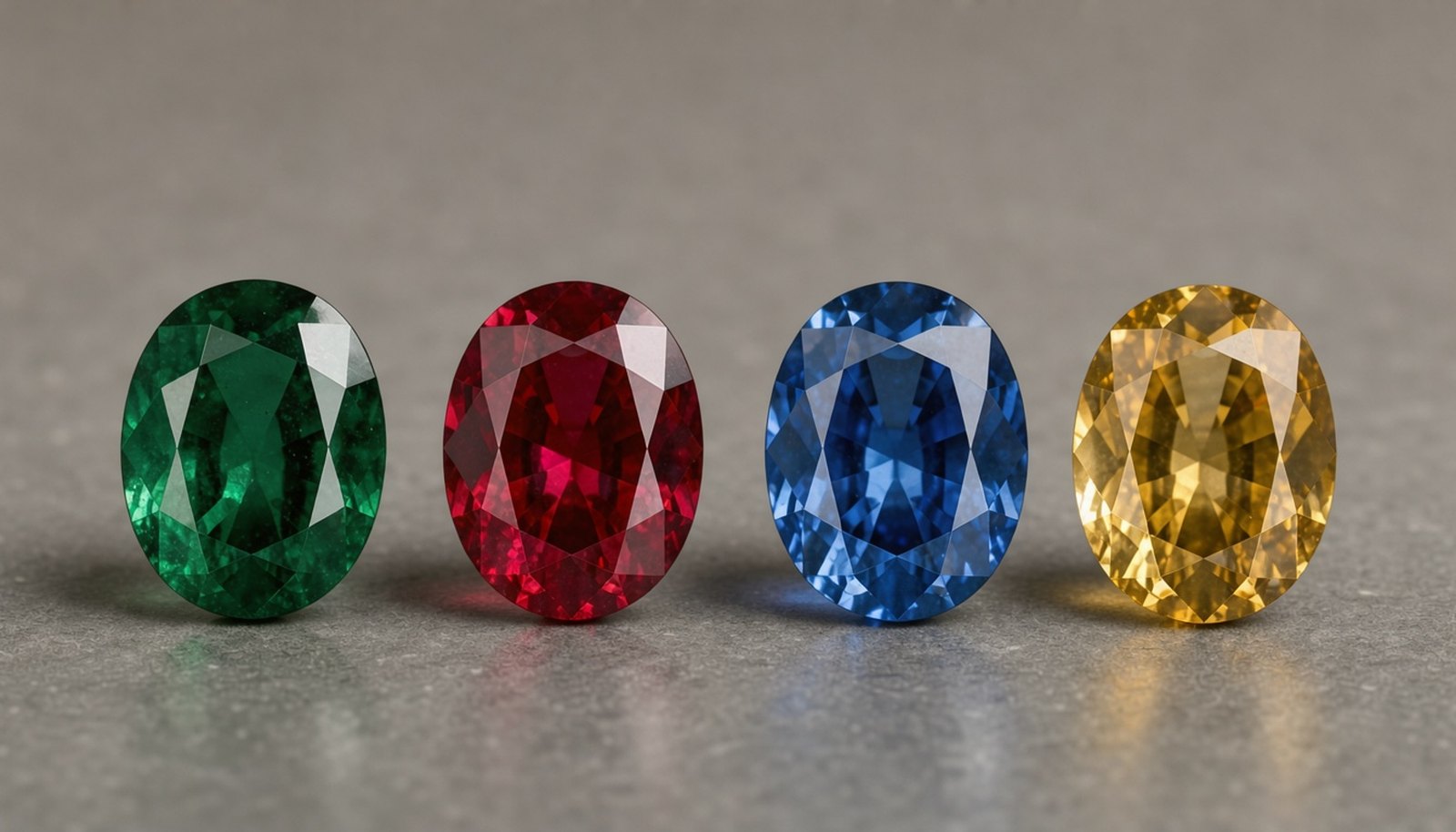
Birthstones by Month: The Complete Guide
Most months have more than one recognised birthstone - a modern one and a traditional one. Here is the full list, with the colour each month is known for.