Loose Gemstones or Finished Jewellery: Which Should You Buy?
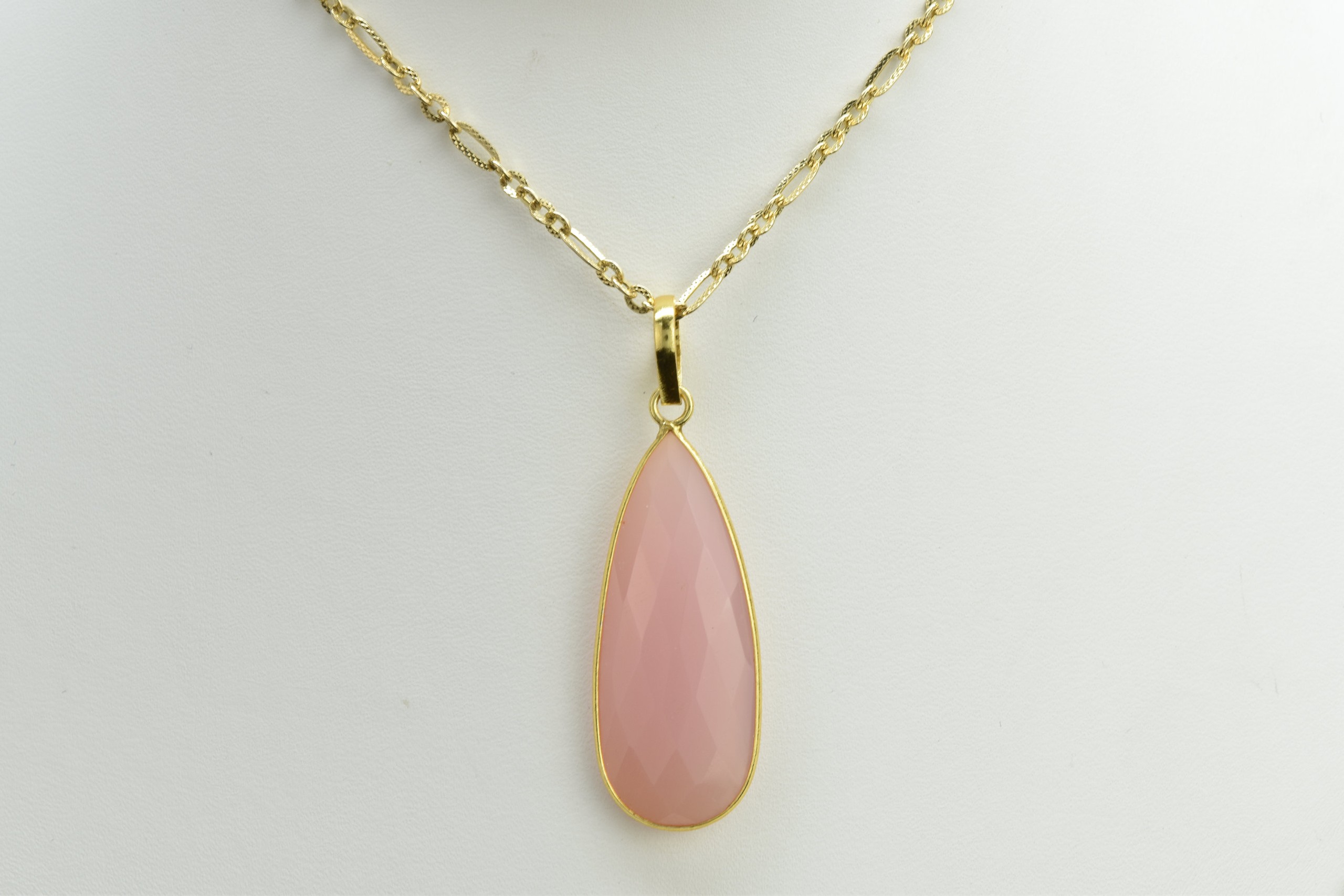
Almost every gemstone sold in the trade passes through two hands: the dealer who supplies the stone, and the jeweller who sets it. Buying loose means buying from the first, and choosing the second yourself.
That is not automatically better. It is better for certain buyers in certain situations, and here is how to tell which one you are.
What buying loose gets you
- You see the stone on its own. In a finished piece, the setting can hide a shallow pavilion, cover a chip at the girdle, or flatter a stone with an otherwise dull cut. Loose, you see exactly what you are buying.
- You choose the setting separately. A stone bought for a pendant can become a ring later, or the reverse. The setting is the part that dates; the stone does not.
- You can match a set. If you want earrings to match an existing pendant, matching loose stones is the only practical route.
- You pay for the stone, not the labour. A finished piece carries the setting cost, the bench time, and the retailer's margin on both.
What a finished piece gets you
- Someone else carries the risk. If a stone chips during setting, that is the jeweller's problem, not yours. Setting a soft or included stone is genuinely difficult work.
- Proportion is already solved. Getting a setting to sit correctly on a stone - the depth of the seat, the angle of the prongs, the height above the finger - is a skill. A finished piece has had it done by someone who does it daily.
- It is usually cheaper overall. Buying loose and commissioning a setting means paying retail for the stone and bench time for the work. A finished piece spreads both across one price.
- It is finished. No waiting, no second decision, no risk that the setting you imagined does not suit the stone once it arrives.
The practical rule
Buy finished if any of these is true:
- You want one piece and you want it now.
- The stone is soft, included, or an unusual shape - setting it is a specialist job.
- You are buying a gift and cannot be involved in a second decision.
Buy loose if any of these is true:
- You already have a jeweller you trust to set it.
- You are matching stones for earrings, or replacing a stone in an existing setting.
- You collect stones rather than wear them.
- The stone is the point, and the setting is secondary.
If you buy loose, ask for these five things
- Millimetre dimensions - length × width × depth. The depth matters most, because a setting has to accommodate it.
- Carat weight, separately from size. They are not the same measure.
- Treatment disclosure - oiled, heated, filled, or none.
- A face-up and a face-down photograph, in daylight. The face-down view is where windows and dead patches show.
- The girdle condition - thick, thin, or abraded. A very thin girdle is prone to chipping during setting.
A note on beads
Gemstone beads sit between the two categories. A strand is loose material, sold by the strand or the lot, and it is judged differently: consistency of colour and size across the strand matters more than the perfection of any single bead, because the strand is worn as a whole.
Browse gemstone beads, all loose gemstones, or the finished jewellery collection.
Related posts
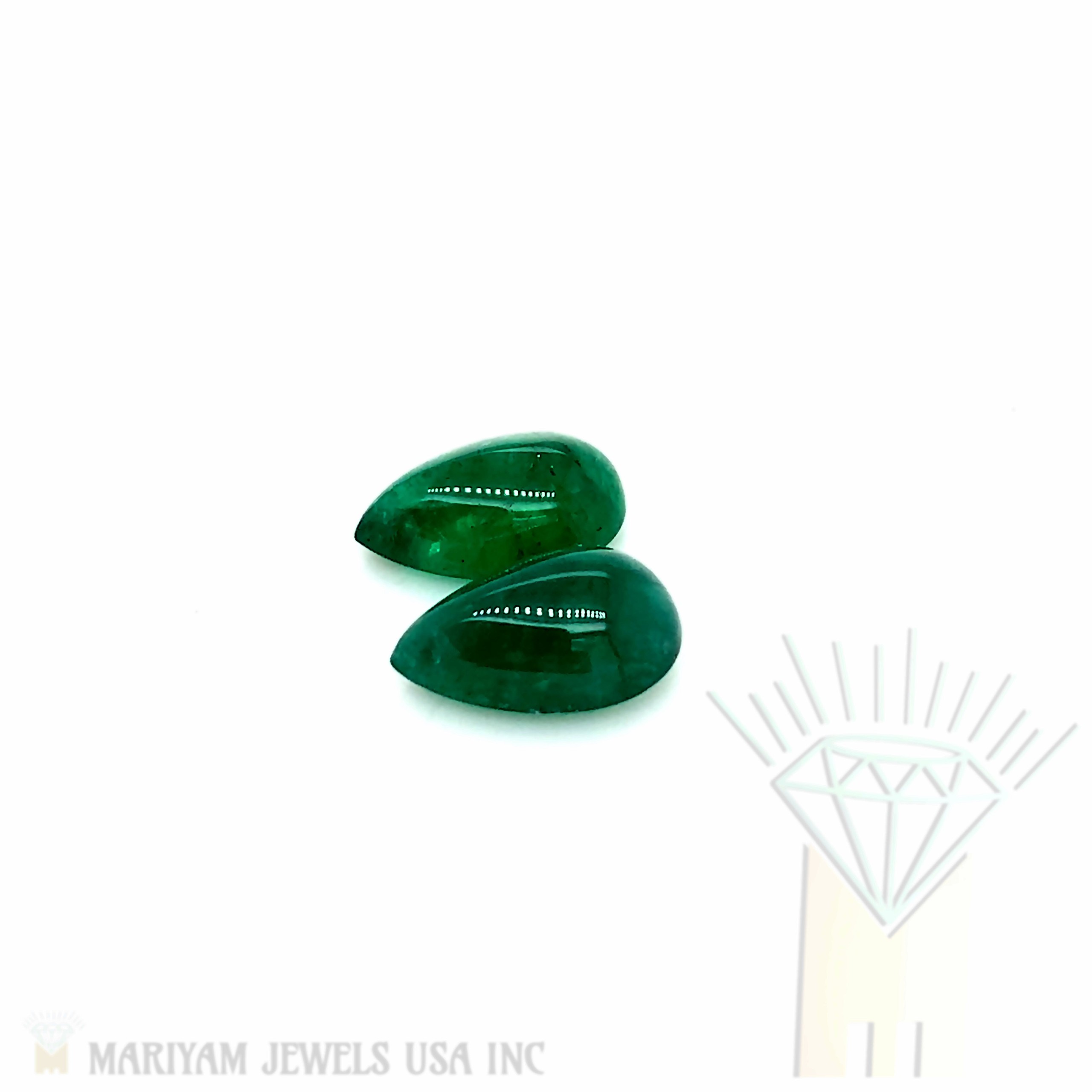
Emerald Buying Guide: How to Judge Colour, Clarity and Cut
Emeralds are graded on the same four C's as any gemstone, but the balance between them is different. Here is how to read a stone before you commit.
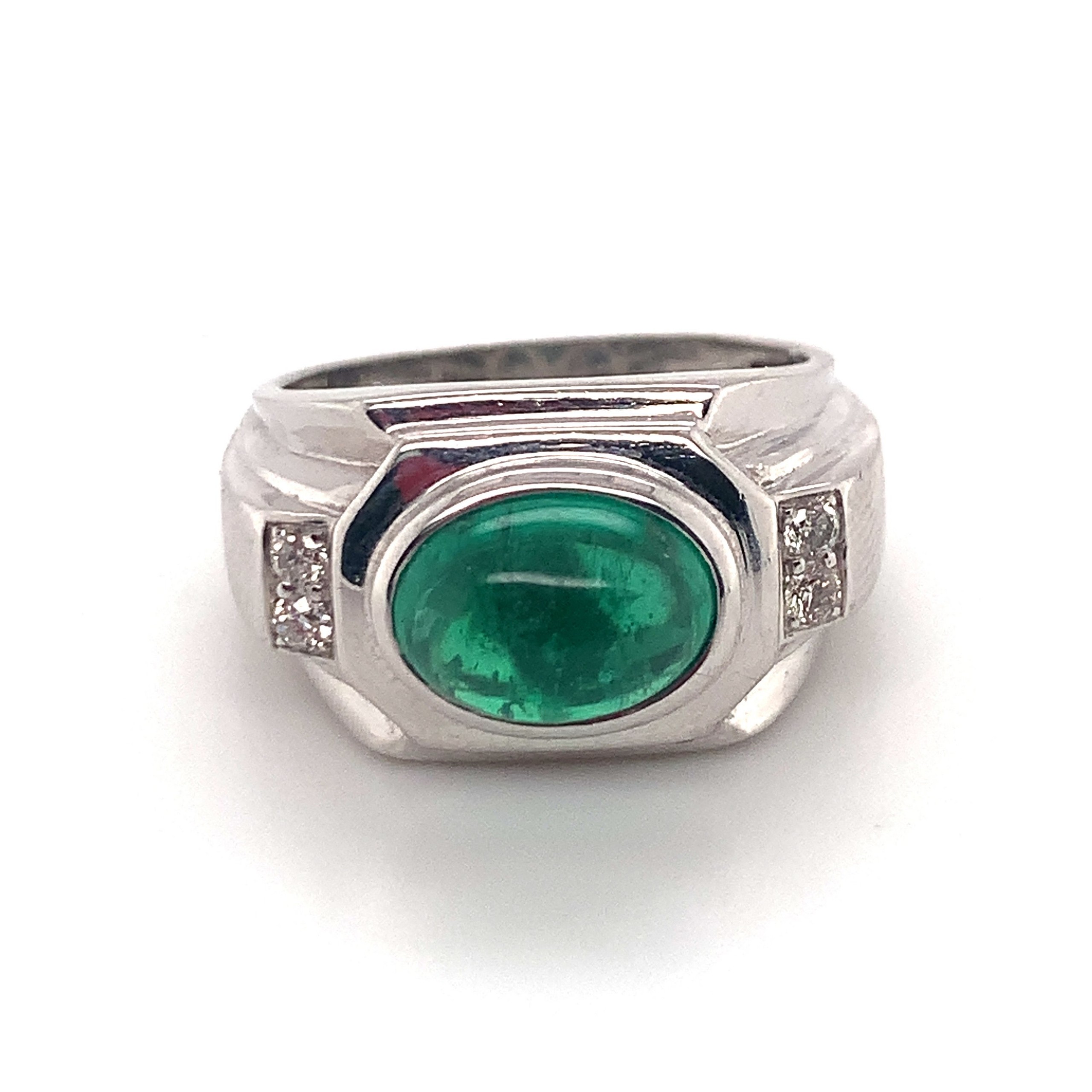
How to Care for Gemstone Jewellery
A sapphire and an opal need completely different handling. Here is how to clean and store gemstone jewellery without damaging it.
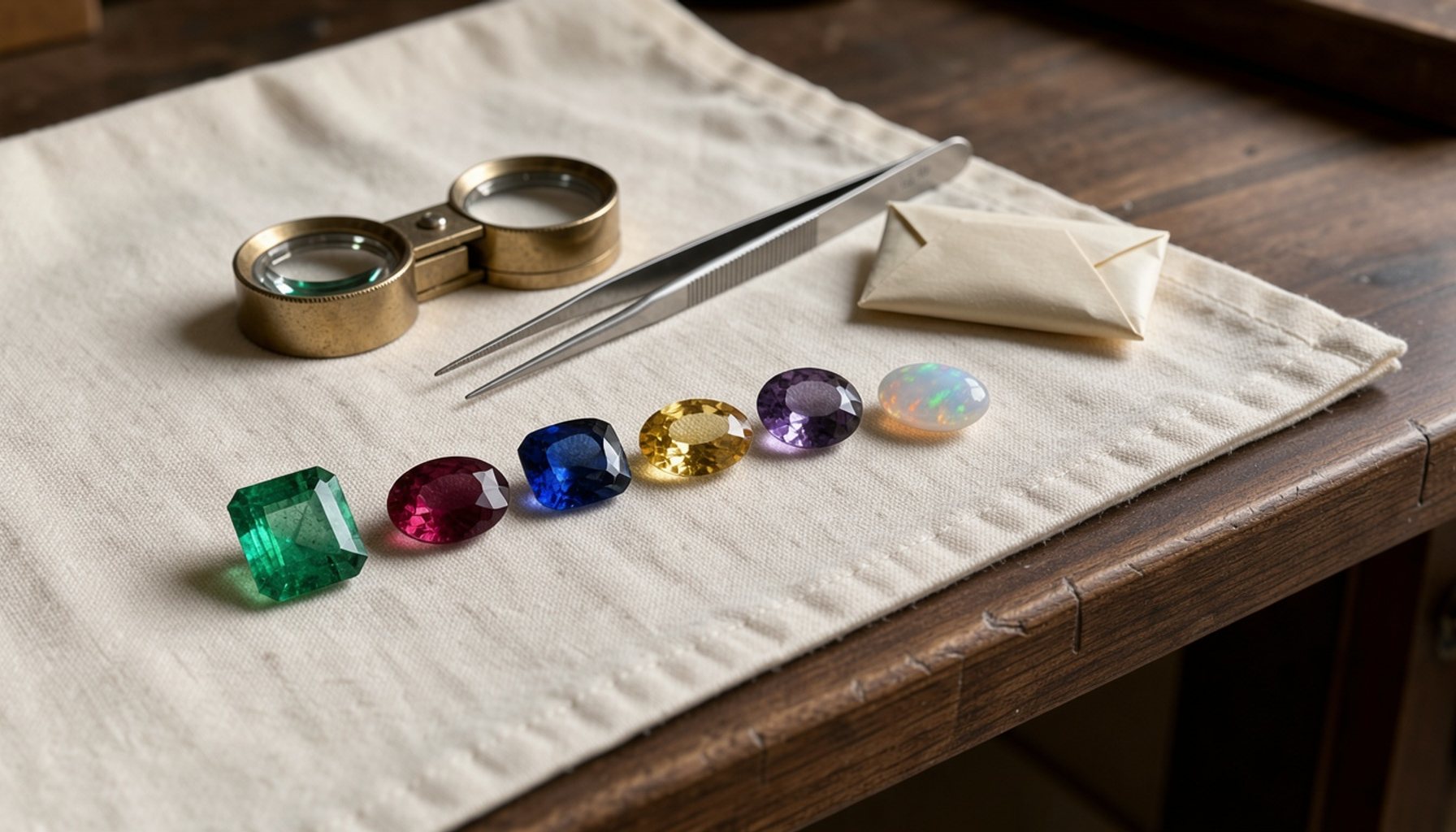
The 4 Cs of Gemstones: Colour, Cut, Clarity and Carat Weight
Colour, cut, clarity and carat weight decide what a gemstone is worth. What each one means, how the trade judges it, and what to check before you buy.