Tanzanite: The Rarest Gemstone on Earth
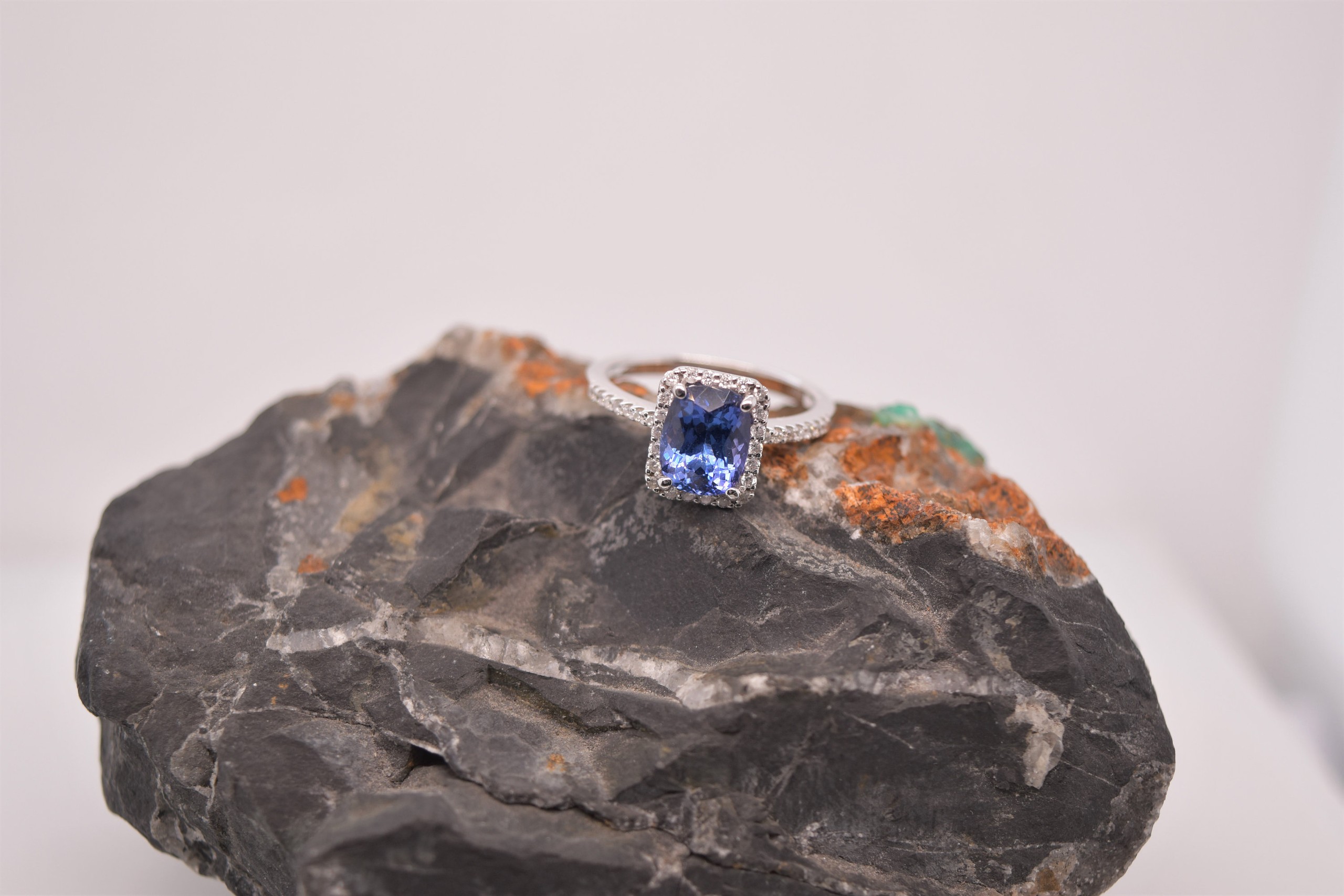
Every gemstone is rare in some sense. Tanzanite is rare in a way that is almost geological accident: it has been found in one place on earth, and no other deposit has ever been located.
One location, and it is small
Tanzanite comes from a narrow belt of hills near Mount Kilimanjaro in northern Tanzania, close to the town of Arusha. The productive area is measured in square miles. Nothing comparable has been found in Kenya, in Madagascar, or anywhere else.
That has two consequences for a buyer. First, supply is finite and known - there is no prospect of a new find changing the market. Second, provenance is unusually simple: a natural tanzanite is Tanzanian, essentially by definition.
Where the colour comes from
Tanzanite is a variety of the mineral zoisite. In its raw state it is typically brownish. The blue and violet colour develops through heating to roughly 500°C - a treatment that is applied to almost all tanzanite on the market and is considered standard and permanent, not a defect.
The colour itself is trichroic, meaning the crystal shows different colours from different directions: blue, violet, and a brownish-green. A well-cut stone is oriented so that the blue-violet face is the one you see through the table. A poorly oriented cut will show the muddy third colour instead - which is why cut orientation matters more in tanzanite than in most stones.
How tanzanite is graded
Unlike diamond, tanzanite has no single universal grading scale. In practice the trade describes it by saturation and tone:
- Exceptional - vivid, saturated blue-violet with no visible grey or brown modifier. The scarcest grade.
- Intense / AAA - strongly saturated blue-violet, occasional slight grey modifier, strong colour face-up.
- Medium - pleasant blue-violet, noticeably lighter or greyer, far more common and considerably less expensive.
- Pale - light lavender-blue, often attractive in larger stones but not what collectors are chasing.
Because these grades are trade convention rather than laboratory standard, two sellers may describe the same stone differently. Judge the stone in front of you, in daylight.
Cut and size
Tanzanite is a relatively soft gemstone - 6.5 to 7 on the Mohs scale - and it has one direction of easy cleavage. That makes it a poor candidate for a ring worn daily, and an excellent one for earrings, pendants, and occasional-wear rings.
Cushion and oval cuts show off the colour depth best. Emerald cuts can look striking in tanzanite but are less forgiving of the orientation problem above.
What to check before buying
- Ask for the colour described plainly - blue, blue-violet, or violet.
- Look at the stone from two directions. A stone that changes to brown-grey across the face was cut from the wrong orientation.
- Confirm the size in millimetres as well as carats.
- If you plan to wear it daily in a ring, ask about the setting - a protective bezel or a halo of harder stones reduces the risk of edge chipping.
See the pendant collection for tanzanite set the way it wears best, or browse all natural gemstones.
Related posts
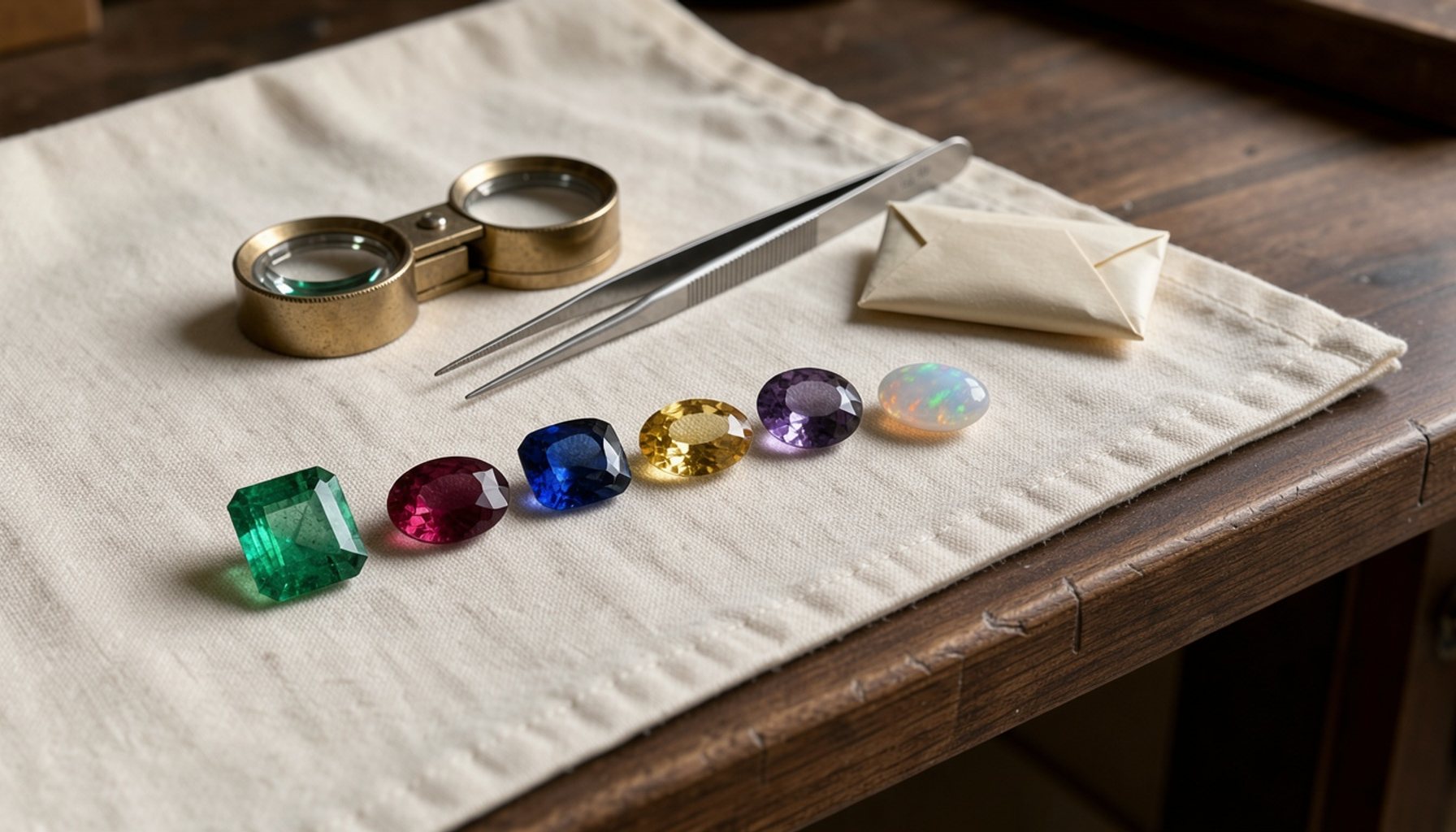
The 4 Cs of Gemstones: Colour, Cut, Clarity and Carat Weight
Colour, cut, clarity and carat weight decide what a gemstone is worth. What each one means, how the trade judges it, and what to check before you buy.
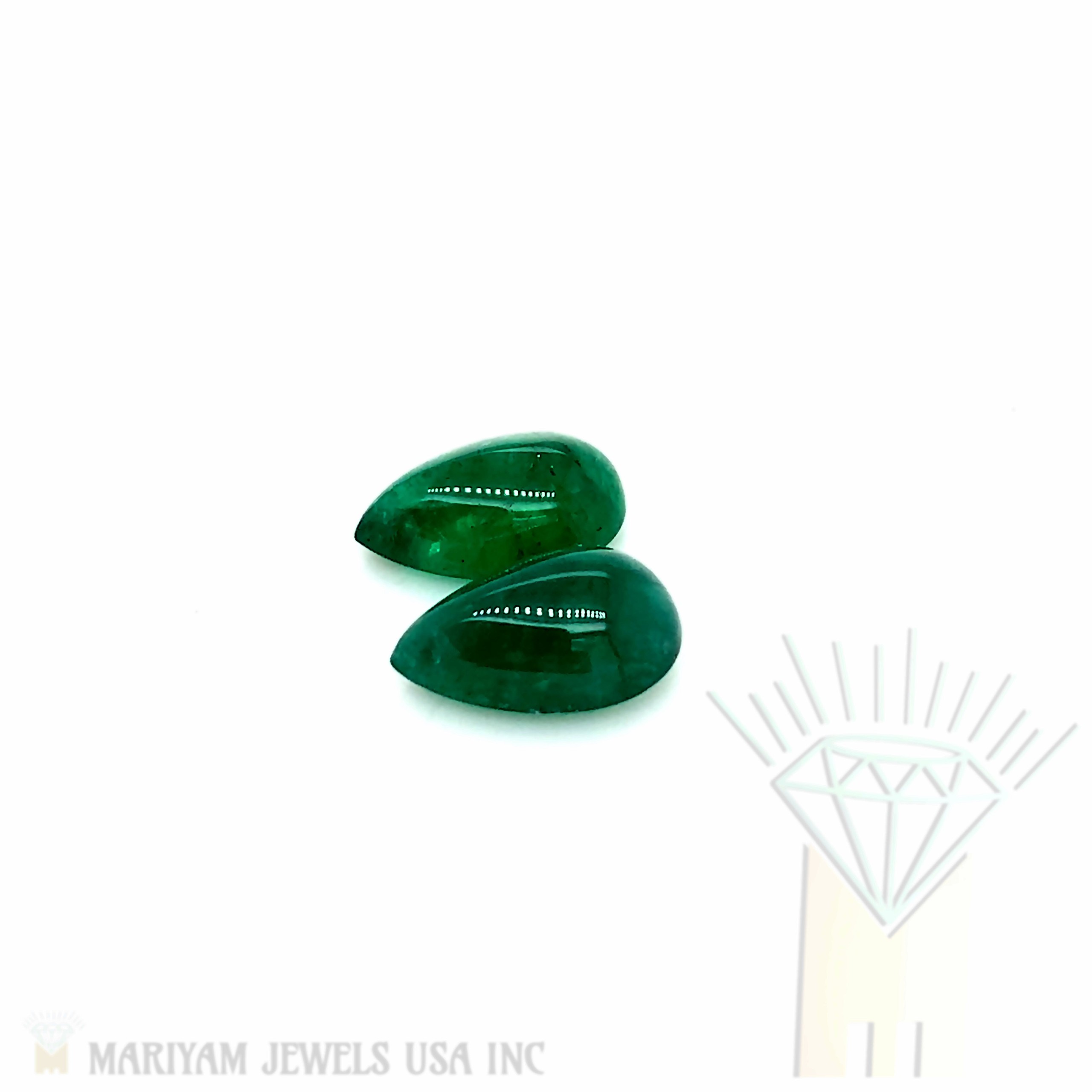
Emerald Buying Guide: How to Judge Colour, Clarity and Cut
Emeralds are graded on the same four C's as any gemstone, but the balance between them is different. Here is how to read a stone before you commit.
How to Care for Gemstone Jewellery
A sapphire and an opal need completely different handling. Here is how to clean and store gemstone jewellery without damaging it.